This Chilean Pebre recipe is very dear to me, as it brings back many fond memories with my father. When I was about 15 years old, I started making this recipe for him. The funny thing is, I didn’t like it back then and wouldn’t even try it, but my father always gave it his seal of approval. Now it’s something I continue to make for my family and that I enjoy myself.
When we think of Chilean cuisine, certain flavors immediately come to mind: ground beef empanadas, cazuela, Chilean corn pie… and, of course, Chilean pebre . That fresh, flavorful, and slightly spicy condiment that’s always on the table and can transform even the simplest bread into a delight.
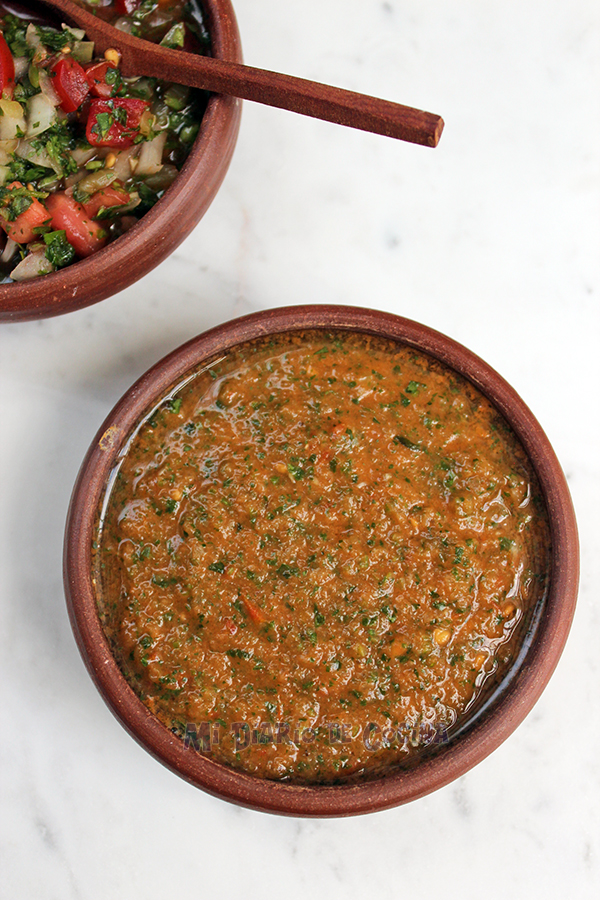
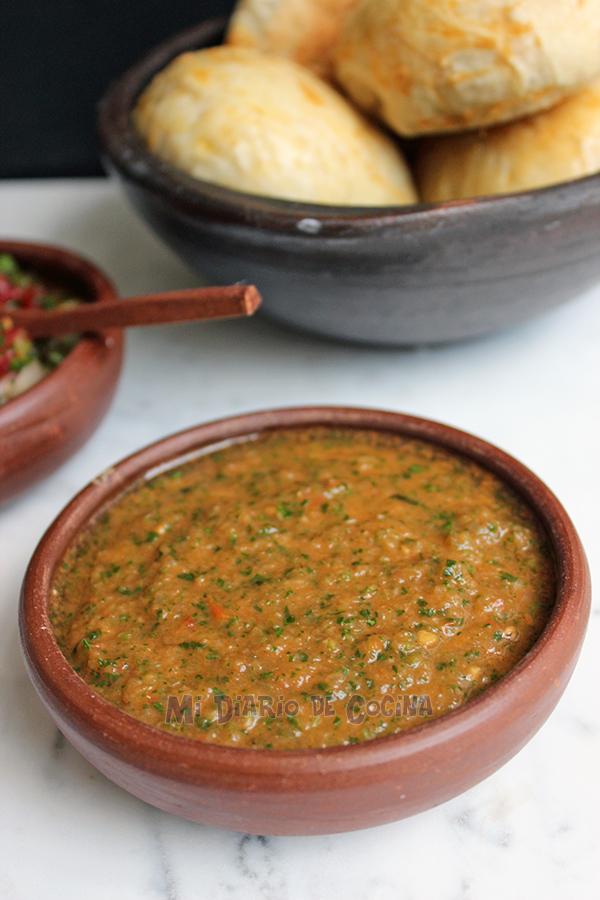
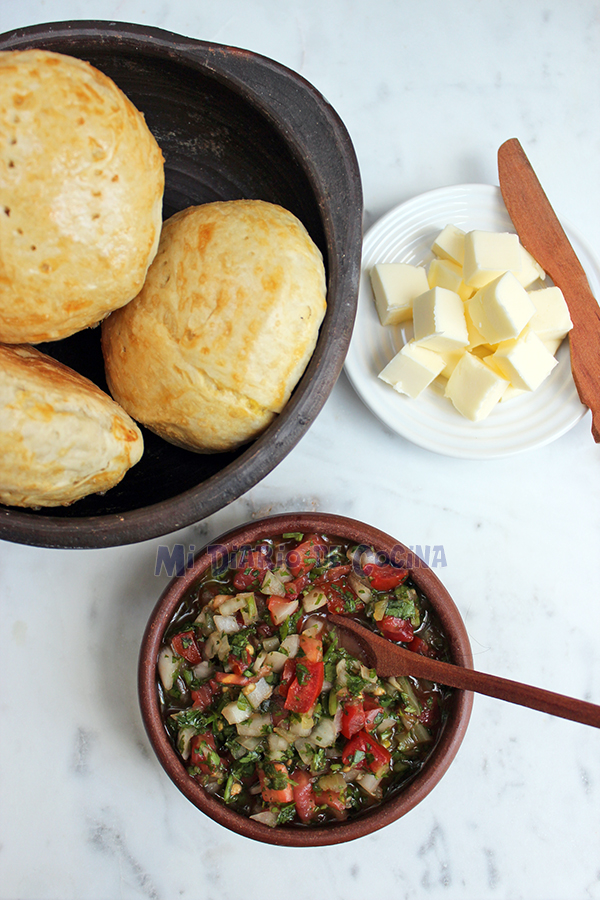
It’s usually served in small pieces, as you can see in the first photo, but in some places, like certain “picadas” (popular small restaurants), they serve it ground, and it’s actually quite delicious that way too. It’s commonly served as an appetizer with homemade bread and butter. A real treat.
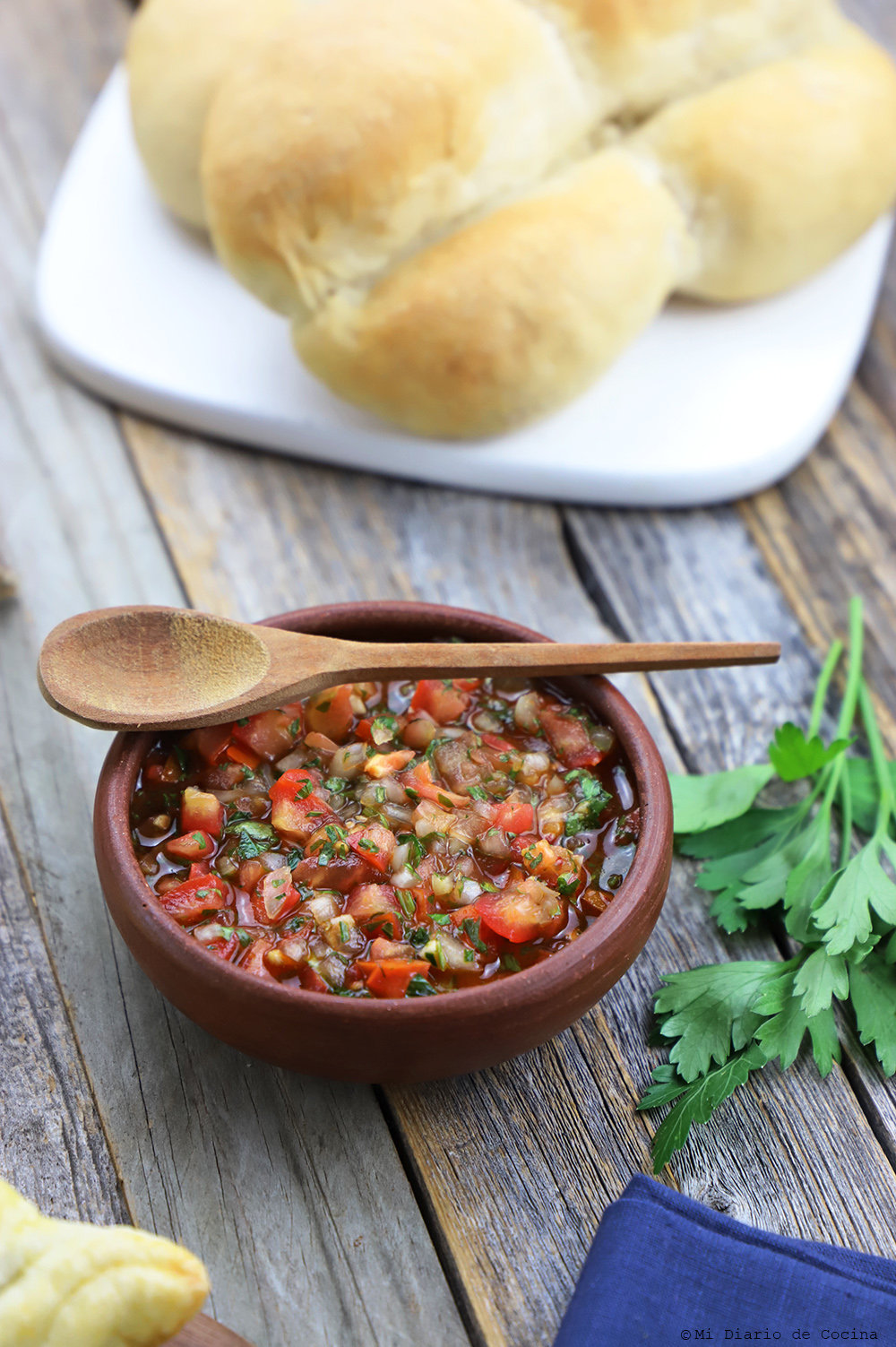
Pebre is a fresh salsa or condiment made with cilantro, onion, chili pepper, garlic, tomato, vinegar, oil, and salt . Its flavor is characterized by being fresh, slightly acidic, and with a spiciness that can be adjusted to each family’s taste. But I should mention that in this version of pebre that I’ve been making for years, I also add parsley.
In Chile it’s served everywhere:
-
In a restaurant, as an appetizer served with bread.
-
In a barbecue, to enhance the meat.
-
During national holidays, alongside empanadas and anticuchos.
-
At home, on the everyday table, because it goes well even with a simple rice dish.
Types of Chilean pebre
Although we speak of “pebre” in general, there are different types that are prepared depending on the occasion:
-
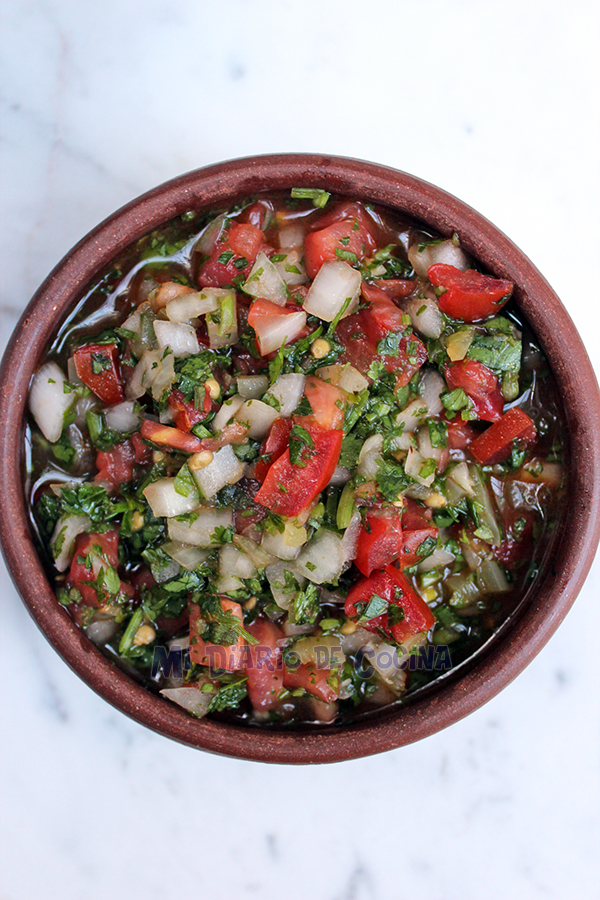
Pebre spooned
-
It’s the classic one where everything is chopped very finely.
-
Ideal to eat with bread.
-
It is served in small cups at the table.
-
-
Chancho en piedra
-
A more rustic and traditional version.
-
It is prepared in a stone mortar, where the ingredients are crushed, especially the garlic, chili pepper and tomato.
-
It is thicker and has a stronger flavor.
-
-
Tomato salsa
-
It contains a larger quantity of tomato, similar to a Mexican pico de gallo.
-
Fresh, juicy, perfect for hot days.
-
-
Green chili pepper salsa
-
Very spicy, made almost exclusively with chili peppers, cilantro, and onions.
-
It is not suitable for delicate palates.
-
Tips for a perfect pebre
Here are some tips I’ve learned that make all the difference:
-
The cut matters
-
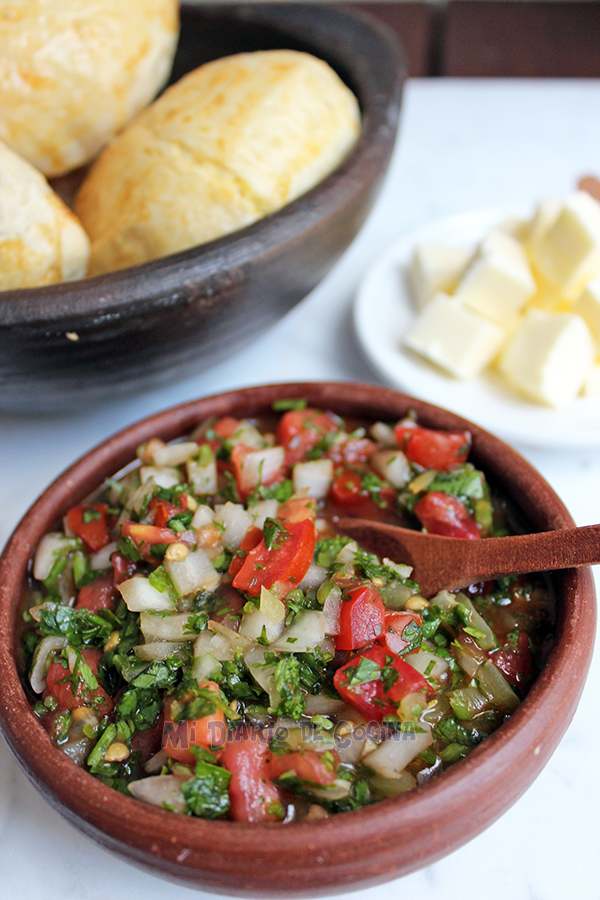
Chopping the ingredients very small helps the flavors blend better.
-
A rustic cut will give a more country-style pebre with more texture.
-
-
Onions, always treated well
-
To prevent it from becoming too hard, you can leave it in salt water or hot water for a few minutes before using it.
-
If you use red onion, you’ll have a more colorful and milder pebre.
-
-
Fresh cilantro at the end
-
Add it just before serving, so it retains its aroma and color.
-
-
Let it rest
-
Although pebre can be eaten immediately, if you let it rest for about 20-30 minutes, the flavors intensify and blend better.
-
-
Adjust the spiciness to suit your audience
-
It’s always best to make a medium-sized pebre and serve the chili separately. That way everyone can adjust the heat.
-
Recommendations for accompaniment
Pebre is so versatile that it can be served with almost anything. Here are some ideas:
-
With bread : nothing is better than a warm marraqueta bread with pebre on top.
-
In barbecues : it enhances the flavor of meats, sausages and “anticuchos” (Chilean-style kebabs).
-
With empanadas : especially the baked beef empanadas.
-
With soups and broths : a little pebre in a casserole dish or granados beans elevates any flavor.
-
Over rice or boiled potatoes : a simple way to liven up a simple dish.
Pebre during the National Holidays
In September, during the 18th of September celebrations (Chilean Independence Day), pebre becomes the undisputed king of the Chilean table . No fonda, ramada, or asado is complete without it. It’s the perfect accompaniment to empanadas de pino, grilled meat, and the ever-present terremoto.
You might also be interested in seeing the recipes for Chilean Ajiaco or Homemade Bread .
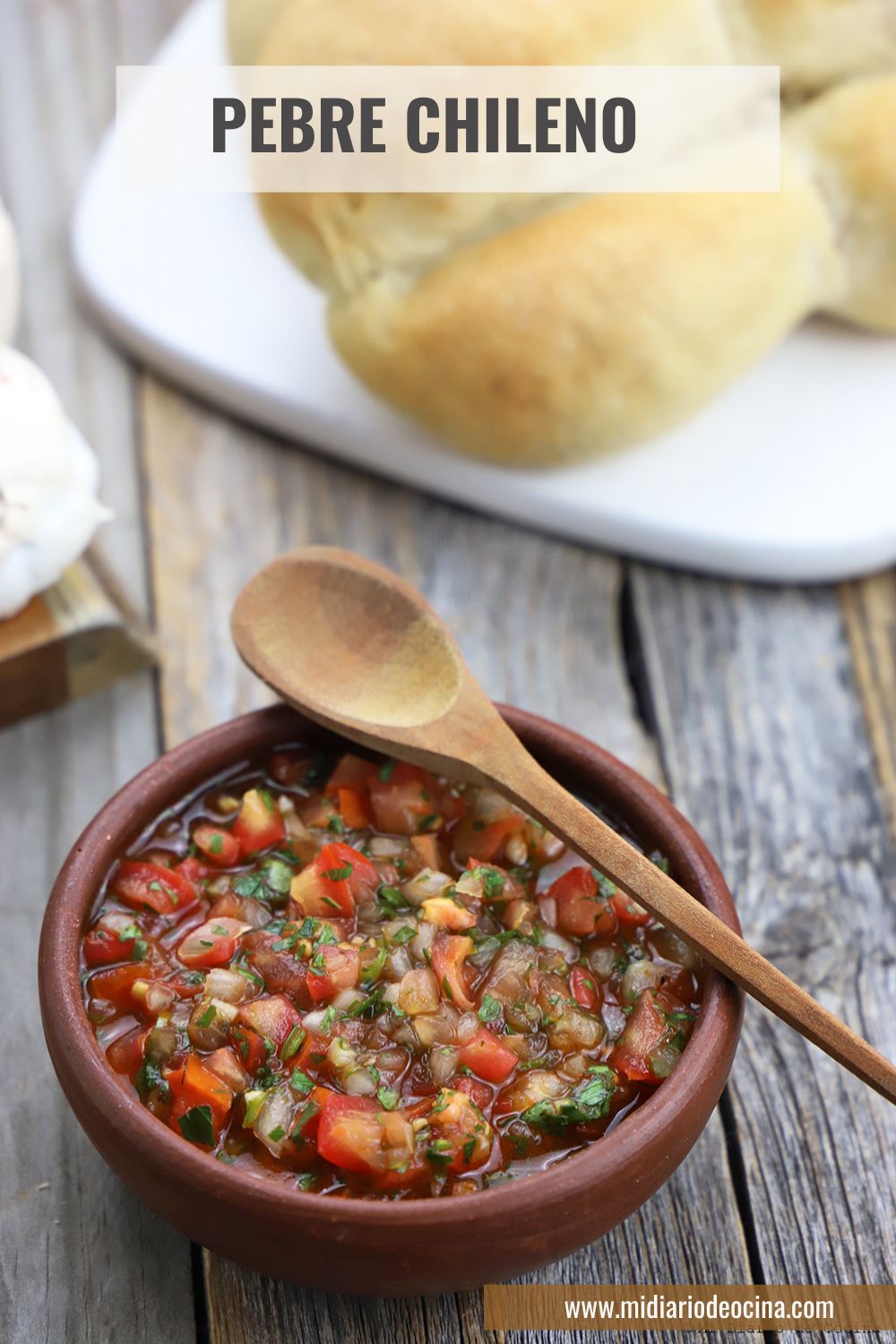
Chilean Pebre
- Total Time: 20 min
- Yield: 6 1x
Description
Makes about 2 cups.
Ingredients
- 1 large tomato, finely diced, or 2 medium tomatoes
- 1 medium onion, finely diced
- 2 cloves garlic, minced
- 3 tablespoons chopped parsley
- 3 tablespoons chopped cilantro
- 1 piece of green chili pepper, chopped
- 1 tablespoon red chili paste
- 2 tablespoons oil
- Salt and pepper to taste
- A small splash of white wine (can be replaced with vinegar)
Instructions
- Mix all the ingredients in a bowl and let the mixture rest for at least half an hour.
- Adjust the seasoning and add more salt if necessary.
- At this point, you can process the mixture in a food processor if you prefer a finer texture; otherwise, leave it as is.
- Serve with warm buttered bread. While it pairs well with meats or other dishes of your choice, it is spectacular with empanadas.
- Prep Time: 20 min
- Category: sauces
- Cuisine: Chilean cuisine










Leave a Reply